Quick Summary
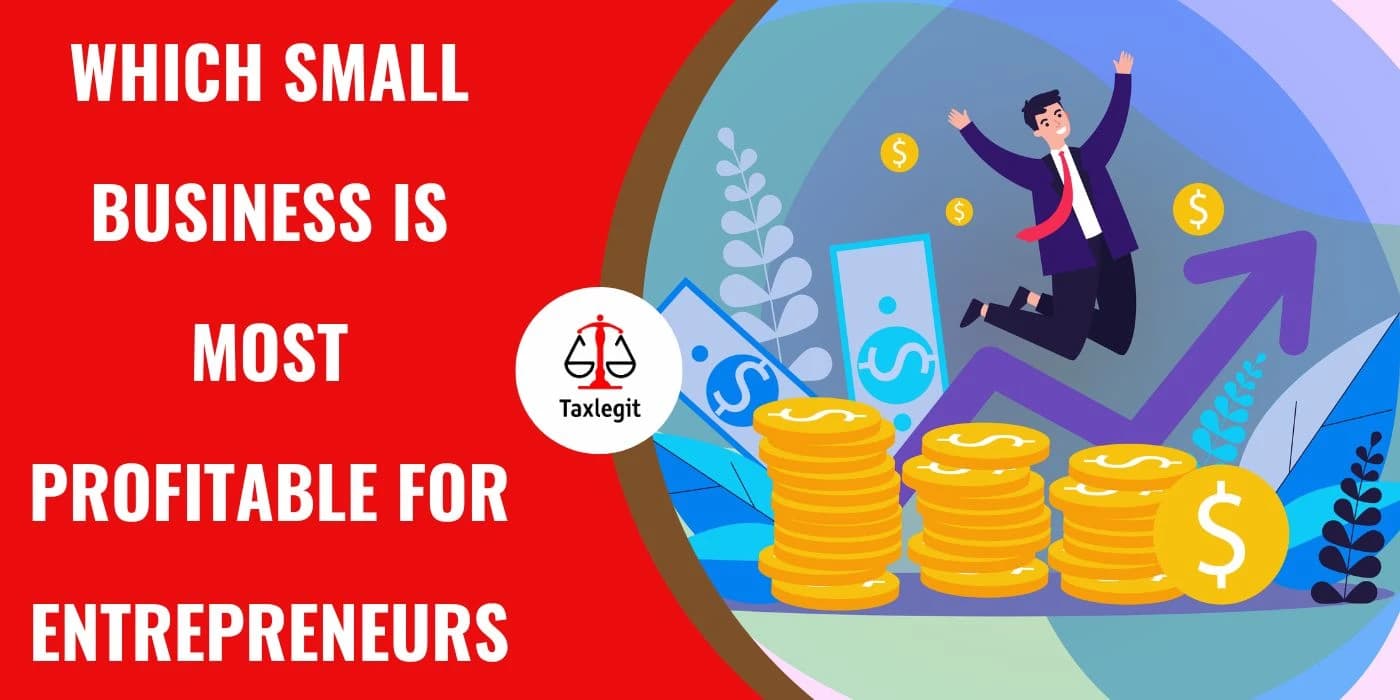
India is a land of opportunity, but in a competitive market, profitability is your greatest competitive advantage. For the modern entrepreneur, choosing a high-margin business isn't just about quick returns but about building a foundation that simplifies compliance, attracts talent, and ensures long-term scalability. Selecting the right sector is the first step in ensuring that your compliance burden is manageable and ensures long-term scalability.
This guide will help you understand the most profitable small businesses in India, explain how to decide wisely, and highlight compliance essentials to avoid penalties and delays.
Quick Key Facts:
- Profitability depends on industry, location, demand, and operational efficiency.
- Common profitable small businesses include food services, digital marketing, retail, and education.
- Compliance with government rules (MCA, GST, local licenses) is crucial to avoid fines.
- Location matters: metro cities like Mumbai and Bangalore have higher demand but more competition.
- Setting up correctly reduces delays and penalties.
What Is a Profitable Small Business?
The most profitable small businesses vary by market and skills, but food services, digital marketing agencies, and tutoring centres often top the list in India due to high demand and low initial investment. A profitable small business generates consistent revenue exceeding its costs while providing a good return on investment. Profitability depends on:
- Market demand
- Low operational
- Scalability
- Competitive advantage
Who Needs This Guide?
- First-time entrepreneurs planning a startup
- Small business owners seeking growth
- Investors evaluating small business opportunities
- NGO founders exploring social enterprise options
Which Small Business Is Most Profitable?
Comparative Analysis: Small Business Ventures in India (2026)
| Business Vertical | Initial Capital | Profit Margin | Key Market Hubs | Compliance Essentials | Launch Timeline |
| Cloud Kitchen | ₹2L – ₹10L | 15% – 25% | Mumbai, Delhi, Bengaluru | FSSAI, GST, Health Permits | 30–60 Days |
| Digital Marketing Agency | ₹1L – ₹5L | 20% – 30% | All Tier-1 Metros | GST, Service Contracts | 15–30 Days |
| Retail (Apparel/Electronics) | ₹3L – ₹15L | 10% – 20% | Pune, Hyderabad, Ahmedabad | GST, Shop & Establishment Act | 30–45 Days |
| Education & Tutoring | ₹1L – ₹7L | 20% – 35% | Jaipur, Lucknow, Kota | Local Edu. Authority Permits | 20–40 Days |
| Handicrafts & Artisanal | ₹1L – ₹5L | 15% – 25% | Regional / Export focused | GST, MSME (Udyam) Reg. | 25–45 Days |
Eligibility Criteria for Small Business Setup in India
Before a small business can legally invoice its first customer, it must satisfy five core eligibility pillars:
- Indian resident or NRI with a valid PAN
- Business registered as a proprietorship, partnership, LLP, or private limited company
- Compliance with sector-specific licenses (e.g., FSSAI for food)
- GST registration if turnover exceeds ₹40 Lakhs (₹20 Lakhs for special states)
- Bank account in business name
Pro-Tip for 2026: It is highly recommended to apply for Udyam Registration immediately after your business is formed. It is free, paperless, and gives you "Priority Sector" status with banks, which can lower your interest rates on business loans by 1% to 2%.
Documents Required for Business Setup
| Document Type | Primary Purpose | Issuing Authority |
| PAN Card | Tax identity for both the individuals and the business entity. | Income Tax Department |
| Aadhaar Card | Mandatory biometric identity proof for Indian Directors/Partners. | UIDAI |
| Business Address Proof | Legal proof of physical operations (Rent Agreement or Sale Deed). | Local Municipal / Landlord |
| Registration Certificate | The "Birth Certificate" of the company (CoI) or Partnership. | MCA / Registrar of Firms |
| GST Registration | Required for tax collection and claiming Input Tax Credit (ITC). | GSTN Portal |
| Sectoral Licenses | Niche permits like FSSAI (Food), Shop Act, or Trade License. | Local/State Govt. Bodies |
| Bank Account Proof | A cancelled cheque or statement from the Business Current Account. | Your Commercial Bank |
Step-by-Step Business Setup Process
1. Choose Business Type: Decide based on profitability, skills, and market.
2. Select Legal Structure: Proprietorship, Partnership, LLP, or Private Limited.
3. Register Business: Apply on the MCA portal or the local Registrar of Firms, as applicable.
4. Apply for PAN and TAN: Mandatory for tax purposes.
5. Open Bank Account: In the business name.
6. Register for GST: If turnover exceeds the threshold.
7. Obtain Sector Licenses: FSSAI for food, Shop Act license for retail, etc.
8. Comply with Local Regulations: Municipal permits, fire safety, labour laws.
9. Maintain Records: For tax filings and audits.
Typical Timeline: 15-60 days, depending on business type and location.
Common Mistakes to Avoid
Avoid these common pitfalls that often derail promising Indian startups:
- Starting without proper market research
- Ignoring compliance requirements (GST, licenses)
- Underestimating working capital needs
- Delaying registrations causes penalties
- Not maintaining proper records
Success Tips for Business Success
- Conduct thorough market research before choosing your business.
- Consult a compliance expert to avoid costly mistakes.
- Encourage video testimonials from your first 10 customers to build instant credibility.
- Ensure your website and payment systems are optimised for mobile. In 2026, over 90% of your customers will find and pay you via their smartphones.
- Plan finances conservatively with a buffer for delays.
- Stay updated on regulatory changes through official websites.
- Keep all registrations and licenses renewed promptly.
Choose Your Business Structure
| Structure | Best For. | Compliance Level |
| Sole Proprietorship | Solo founders, low-risk ventures. | Low |
| LLP | Professional services, partnerships. | Moderate |
| Private Limited | Startups seeking investors/scalability. | High |
How to Choose Your Most Profitable Small Business?
Understanding which small businesses are most profitable in your city and sector is the first step to success
Assess Your Skills and Interests
Start by evaluating your strengths, experience, and passions. For instance, if you have culinary expertise, food-related ventures like cloud kitchens or catering services may yield higher returns due to lower overheads. Aligning your business with what you enjoy ensures sustained motivation and better execution.
Analyse Market Demand
Research local trends using tools like Google Trends or IndiaMart to spot high-demand sectors. Profitable niches in India include e-commerce reselling, digital marketing agencies, or eco-friendly products, driven by rising online shopping and sustainability awareness
Evaluate Profit Margins and Costs
Prioritise businesses with 30-50% margins, like dropshipping (minimal inventory costs) or freelance consulting (low startup under ₹50,000). Calculate initial investments: registration via the MCA portal, GST compliance, and working capital.
Consider Scalability and Risks
Opt for scalable models, such as app-based services or subscription boxes, that grow without proportional cost increases. Factor in risks like regulatory changes (e.g., recent MSME updates) or economic shifts.
Conclusion
Choosing the most profitable small business involves balancing market demand, investment, and compliance. Food services, digital marketing, retail, and education sectors often offer strong returns in India’s diverse cities. It is highly recommended to prioritise compliance to avoid delays and penalties. Take practical steps, seek expert guidance when needed, and start your business journey with confidence.
Frequently Asked Questions ( FAQs )
Q1. Which small business has the highest profit margin in India?
Typically, digital marketing agencies and tutoring centres have higher profit margins due to low overhead costs.
Q2. How long does it usually take to register a small business in India?
Registration can take 15 to 60 days, depending on business type and required licenses.
Q3. What licenses are mandatory for a food business?
FSSAI license, GST registration, and local health permits are mandatory.
Q4. Do I need GST registration for a small business?
Yes, if your turnover exceeds ₹40 Lakhs (₹20 Lakhs for special category states).
Q5. Can NRIs start and own a small business in India?
Yes, NRIs can start businesses but must comply with Indian laws and registration processes.
Q6. What are common compliance penalties for small businesses?
Penalties include fines for late GST filing, operating without licenses, and non-maintenance of records.
About the Author

Srijita
Content Writer
Srijita is a legal and financial content specialist with 5+ years of experience in the Indian corporate sector. She simplifies MCA regulations and tax compliance into clear, actionable insights for entrepreneurs, working closely with Chartered Accountants and legal experts to ensure accuracy and compliance. Reviewed by Vipul Sharma, Co-Founder, Taxlegit.